
Exploring the historical evolution of gambling practices through the ages
The Origins of Gambling
The roots of gambling can be traced back to ancient civilizations, where rudimentary games of chance were prevalent. Archaeological discoveries have revealed that as early as 3000 BC, the Chinese engaged in betting activities with tiles used to play a game of chance. This practice laid the foundation for future gambling activities, illustrating an early human fascination with luck and fortune. Interestingly, many modern players are drawn to experiences like the ice fishing game real money option, which highlights contemporary interests that stem from ancient traditions. These ancient rituals often served not only as entertainment but also as a form of social bonding within communities.

In ancient Rome, betting took a more structured form, with dice games and betting on gladiatorial contests becoming immensely popular. Roman citizens placed wagers on outcomes of events, which led to the establishment of rules governing these activities. The cultural significance of gambling during this period was profound, reflecting societal values related to risk-taking and reward, and often creating a communal experience that brought people together.
Additionally, many early civilizations incorporated gambling into their religious practices. For instance, the casting of lots in biblical times was a method used for decision-making, showing that the intertwining of fate and chance was not merely recreational but also deeply rooted in spiritual beliefs. This complex relationship between society, belief systems, and chance events has continued to evolve throughout history, forming the basis of modern gambling practices.
The Evolution of Gambling in the Middle Ages
The Middle Ages saw significant transformations in gambling practices, particularly in Europe. The establishment of laws in various kingdoms often dictated the parameters within which gambling could occur. For instance, King Henry III of England, in the 13th century, implemented strict regulations around gaming houses, indicating a recognition of the potential for gambling to affect society adversely. These legal frameworks not only sought to curb excessive gambling but also to protect the interests of the state and its citizens.
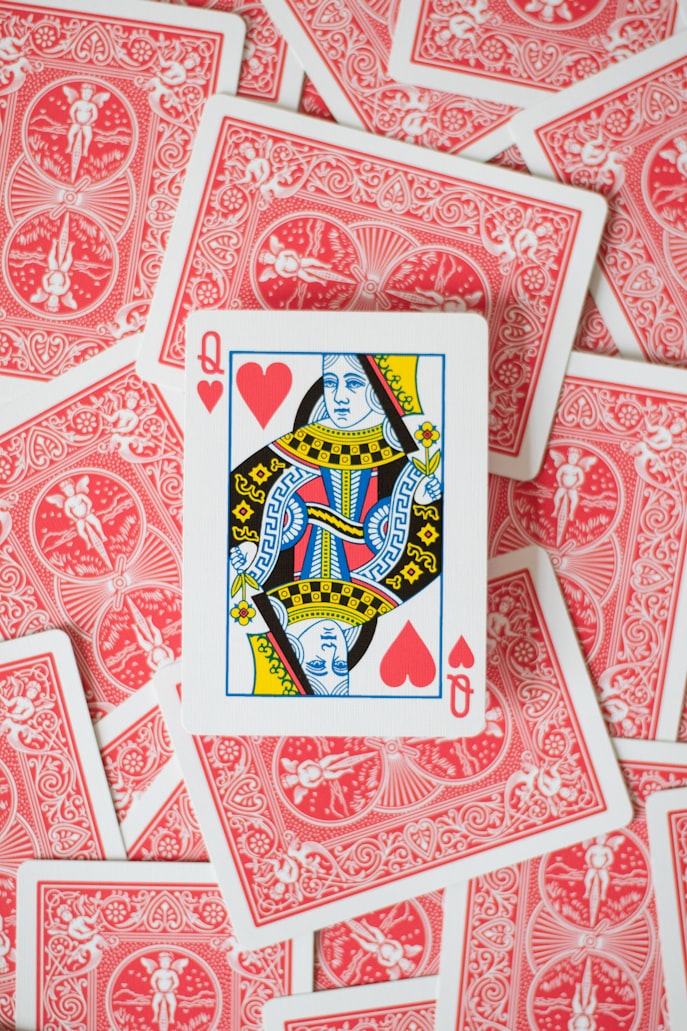
During this period, card games began to emerge as a popular form of gambling. The introduction of playing cards, which likely originated in China and made their way to Europe, revolutionized the gambling landscape. Social gatherings centered around card games became increasingly common, allowing people from different social classes to engage in a shared pastime. This democratization of gambling led to the proliferation of various games and betting styles, from simple wagers to more complex games involving strategy and skill.
As the Renaissance ushered in a new era of exploration and enlightenment, gambling became more sophisticated. The introduction of more formalized gaming institutions, such as casinos, began to take shape in places like Italy. These establishments offered a controlled environment for gambling and played a crucial role in shaping public perceptions of gambling as an acceptable leisure activity, paving the way for future developments in the gambling industry.
The Rise of Modern Gambling Practices
The 19th century marked the beginning of a significant shift in gambling practices with the establishment of state-sponsored lotteries and the emergence of sports betting. Lotteries became a popular means for governments to raise funds for public projects. This government involvement lent legitimacy to gambling, reshaping the landscape and integrating it into the societal fabric. Public perception shifted, as gambling started to be viewed not just as a vice but as a legitimate form of entertainment.
The invention of the roulette wheel in the 18th century further transformed gambling practices. Casinos in Monte Carlo became synonymous with this game, attracting a wealthy clientele eager to test their luck. The roulette wheel, with its blend of chance and strategy, became a symbol of modern gambling, showcasing how the industry could evolve to include both simplicity and complexity. This era also saw the proliferation of gambling literature, which educated players about strategies and probabilities.
Furthermore, with the advent of the industrial revolution, advancements in technology facilitated gambling’s expansion. The invention of mechanical slot machines in the late 19th century introduced a new, exciting form of gambling that required no skill or strategy. These machines quickly gained popularity in bars and saloons, creating a new avenue for gambling that appealed to a broader audience. This diversification reflected changing societal attitudes and the desire for accessible forms of entertainment.
The Digital Age and Online Gambling
The late 20th century heralded a revolutionary change in gambling with the rise of the internet. Online gambling platforms began to emerge in the 1990s, transforming how individuals participated in gambling activities. With just a few clicks, players could access a wide array of games from the comfort of their homes, making gambling more accessible than ever. This shift challenged traditional regulatory frameworks, prompting governments to reconsider their stances on online gambling.
Digital gambling not only changed the landscape of betting but also introduced new forms of gaming, including online poker and virtual sports betting. The emergence of mobile gaming further propelled this trend, with many players opting to gamble on their smartphones. This convenience allowed for a significant increase in participation, particularly among younger demographics, who found the online experience to be engaging and socially interactive.
However, the rapid growth of online gambling has also raised concerns regarding addiction and regulatory challenges. Many jurisdictions struggled to implement effective oversight, leading to discussions about responsible gambling practices and the protection of vulnerable populations. The rise of online gambling has, therefore, not only marked an evolution in the industry but has also highlighted the need for ongoing dialogue about its social implications.
Gambling Today and Its Future
Today, gambling practices continue to evolve, integrating new technologies such as virtual reality and blockchain. The rise of cryptocurrencies in gambling transactions is an example of how the industry adapts to technological advances, appealing to a tech-savvy audience. This blend of traditional gaming with cutting-edge technology reflects a broader trend where gambling is becoming increasingly innovative and personalized.
Moreover, the social implications of gambling are more pronounced than ever. The normalization of gambling in popular culture, including its portrayal in films and television, plays a significant role in shaping perceptions. There is a growing awareness of the need for responsible gambling initiatives to mitigate potential harms, reflecting society’s understanding of the complexities surrounding this activity.
As we look toward the future, the gambling industry faces both opportunities and challenges. The ongoing debate regarding regulations, responsible gambling, and the impact of technology will likely shape the next chapter in the historical evolution of gambling practices. With a focus on innovation and social responsibility, the gambling landscape will continue to adapt, reflecting the values and interests of society at large.